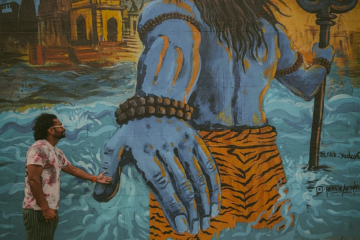
Today, standing on the sacred shores of Puri with the ocean breeze on my face, I looked down at the odometer of our XUV700. It had just crossed the 60,000-kilometer mark. But those aren’t just kilometers. They are a testament to a marathon of faith, a relentless drive across the length and breadth of India, and the realization of a deeply personal dream.
Today, we successfully completed our pilgrimage to all 12 Jyotirlingas, the Bada Char Dhams, and several of India’s most legendary ancient temples.
This journey began as a quiet promise in May 2022 when I first brought the XUV700 home. I decided right then that this vehicle wouldn’t just be for daily commutes; it would be the chariot that carried my entire family—all six of us—on the ultimate spiritual expedition. I set a fixed goal: to self-drive to every single one of these supreme shrines.
In Sanatana Dharma, completing the 12 Jyotirlingas and the 4 Char Dhams is considered the pinnacle of a soul’s spiritual journey. To visit them all once in a lifetime is a profound blessing. To be able to physically drive my family to every single one of them at this stage in my life fills my heart with a pride I cannot easily put into words.
This was not a leisurely vacation. It was a mission of absolute dedication. Instead of spending our holidays in luxury resorts or hill stations, we spent our breaks navigating grueling highways. Before we even packed our bags, we conducted deep research into each temple, unearthing its history and true spiritual significance so our family understood exactly what we were witnessing. Once on the road, we would wake up long before dawn to ensure we reached the temple gates right as they opened.
Beyond the spiritual fulfillment, this massive pan-India road trip became the greatest classroom Janya and Dhrish could have ever asked for. They watched the landscapes physically transform, learned to adapt as the languages shifted across state borders, and tasted genuine local food in highway dhabas. To my parents, Chaitanya and Gopi, being able to facilitate this sacred Yatra for you in your golden years has been the privilege of my life. Seeing the peace and fulfillment in your eyes made every long hour behind the wheel worth it.
And absolutely none of this would have been possible without Vaishali. Driving across these intense terrains requires immense mental and physical endurance. She constantly encouraged me, managed the logistics on the fly, and pushed me forward whenever the distances felt overwhelming. I might have held the steering wheel, but her support drove me to the finish line.
Our current trip was the grand finale. Over nine days, we pushed our limits, dodged extreme weather, navigated political unrest, and experienced the raw pulse of India. Here is the exact, unvarnished story of how we completed the ultimate spiritual marathon.
Day 1: The Samruddhi Sprint and the Unexpected Storm
May 1, 2026 | Mumbai to Jabalpur Distance: 1,055 kms | Time: 12 hours | States: Maharashtra to Madhya Pradesh
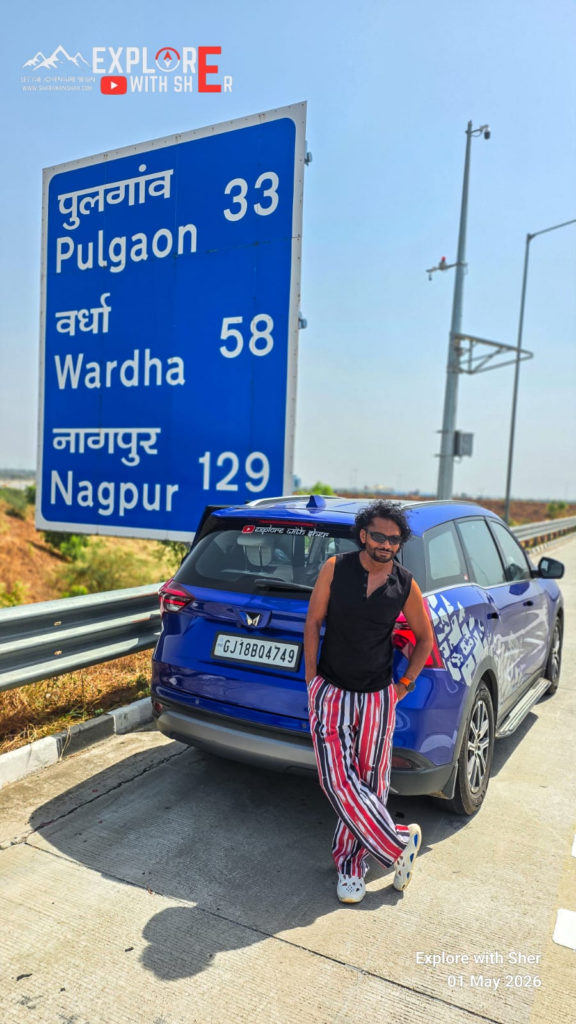
We rolled out of Mumbai under the cover of darkness at 3:30 AM. Our original target was Nagpur, which we confidently pushed to Seoni a day prior. But the XUV700 and the flawless tarmac of the Hindu Hrudaysamrat Balasaheb Thackeray Maharashtra Samruddhi Mahamarg (allowing a sustained 120 km/h cruise for 701 kilometers) consumed the distance so efficiently that we decided to push all the way to Jabalpur.

May in Central India usually means a punishing 45°C dry heat. We braced for the worst, but a massive weather system sweeping across the country dropped the temperatures to a highly comfortable 30°C to 31°C. By 7:00 PM, the sky ripped open. Heavy rain, blinding lightning, and thunder welcomed us into Madhya Pradesh. Covering over a thousand kilometers in a single day is exhausting, but outrunning the brutal summer heat made it entirely worth it.
Day 2: Spontaneous Blessings and the Streets of Ayodhya
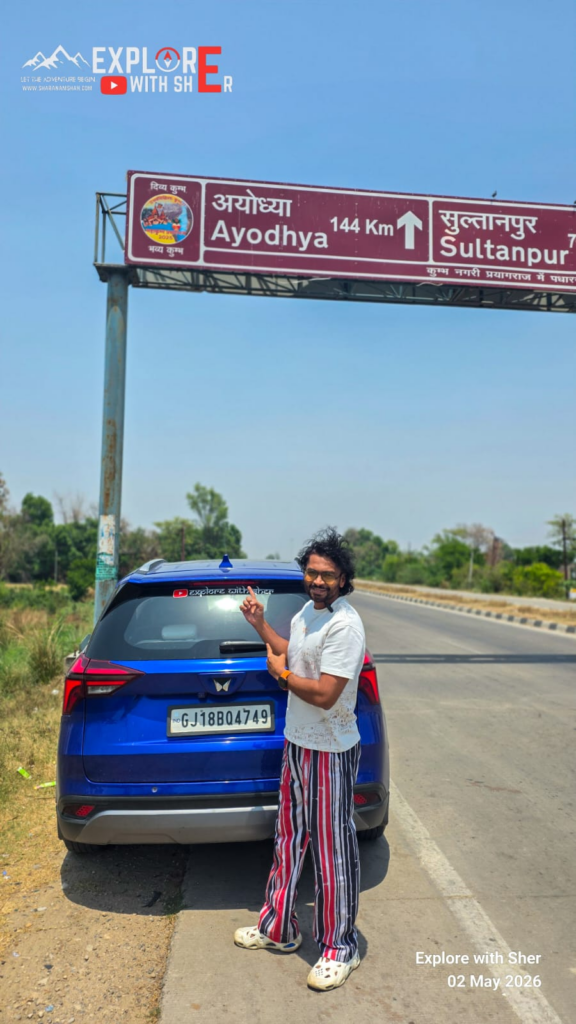
May 2, 2026 | Jabalpur to Ayodhya (via Prayagraj) Distance: 535 kms | Time: 10 hours | States: Madhya Pradesh to Uttar Pradesh
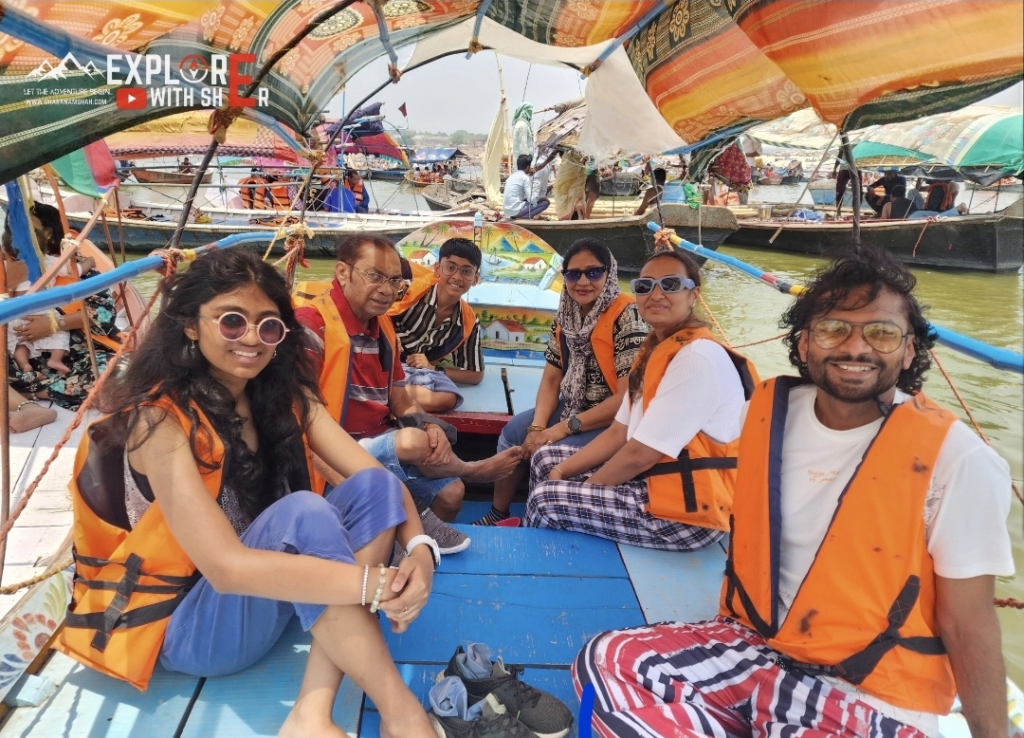
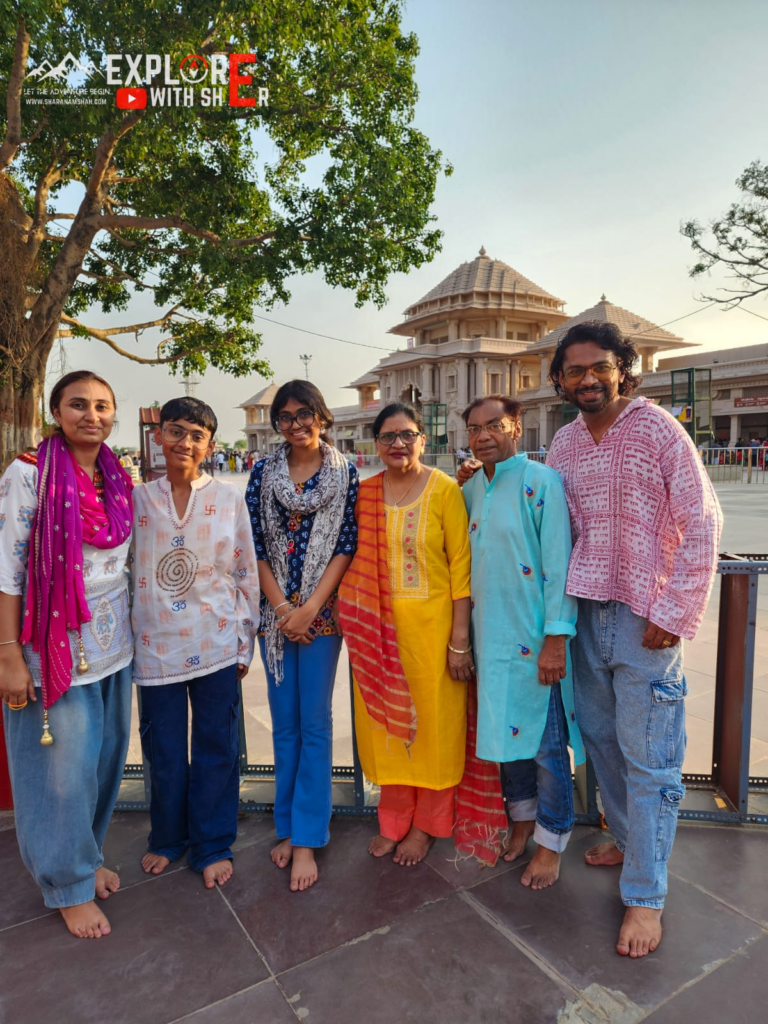
Because we absorbed so much mileage on Day 1, we bought ourselves the greatest luxury of a road trip: time. Passing through Prayagraj, we took a spontaneous detour to the Triveni Sangam. After some aggressive bargaining, we secured a boat for ₹1,500 and performed a peaceful Ganga puja right on the water.
By the afternoon, we reached Ayodhya. We had actually booked a free Sugam Darshan pass 15 days in advance for the next afternoon, but since we arrived early, we took a ₹150 rickshaw straight to the Ram Janmabhoomi. The management was so efficient that we completed our darshan through the normal line in just 30 minutes, allowing us to cancel our online pass to free up the slot.
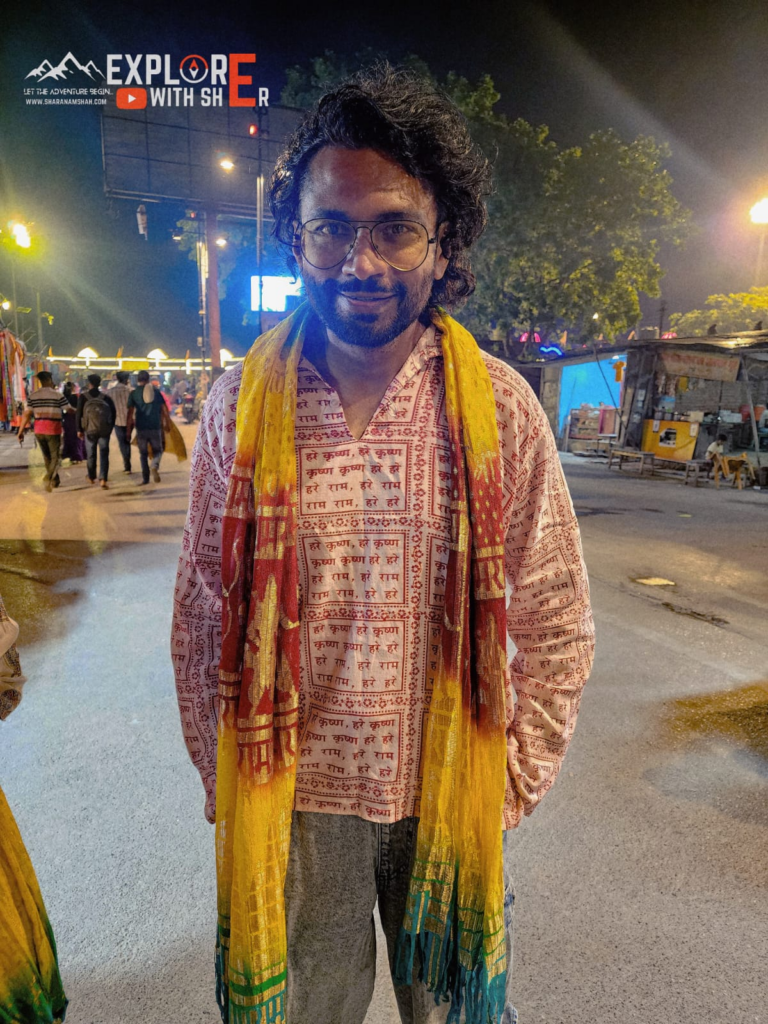
The evening was magical. We hopped on a buggy (₹20 per person) to Lata Mangeshkar Chowk, witnessed the mesmerizing Saryu River evening aarti, and ate dinner right in the bustling market area. We capped off the night at Hanuman Garhi, miraculously completing the darshan in under an hour on a Saturday—Lord Hanuman’s dedicated day.
Day 3: Negotiating Varanasi and Front-Row Aarti
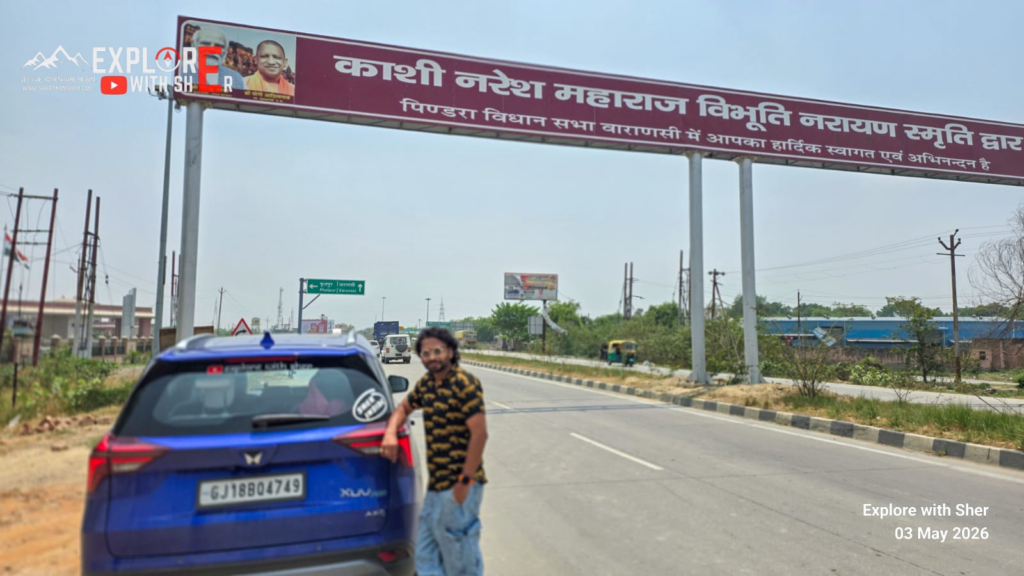
May 3, 2026 | Ayodhya to Varanasi Distance: 212 kms | Time: 3.5 hours | States: Uttar Pradesh
We drove out of Ayodhya amidst heavy rain and intense thunderstorms, navigating our way into the Cantonment area of Varanasi. Navigating Varanasi in a large SUV is a nightmare, so we immediately struck a deal with a local auto driver. We booked a two-day itinerary package consisting of two 3-seater rickshaws for ₹2,500—another hard-won bargaining victory.
With transportation sorted, we dove into wholesale Banarasi saree shopping before heading to the newly developed Namo Ghat.
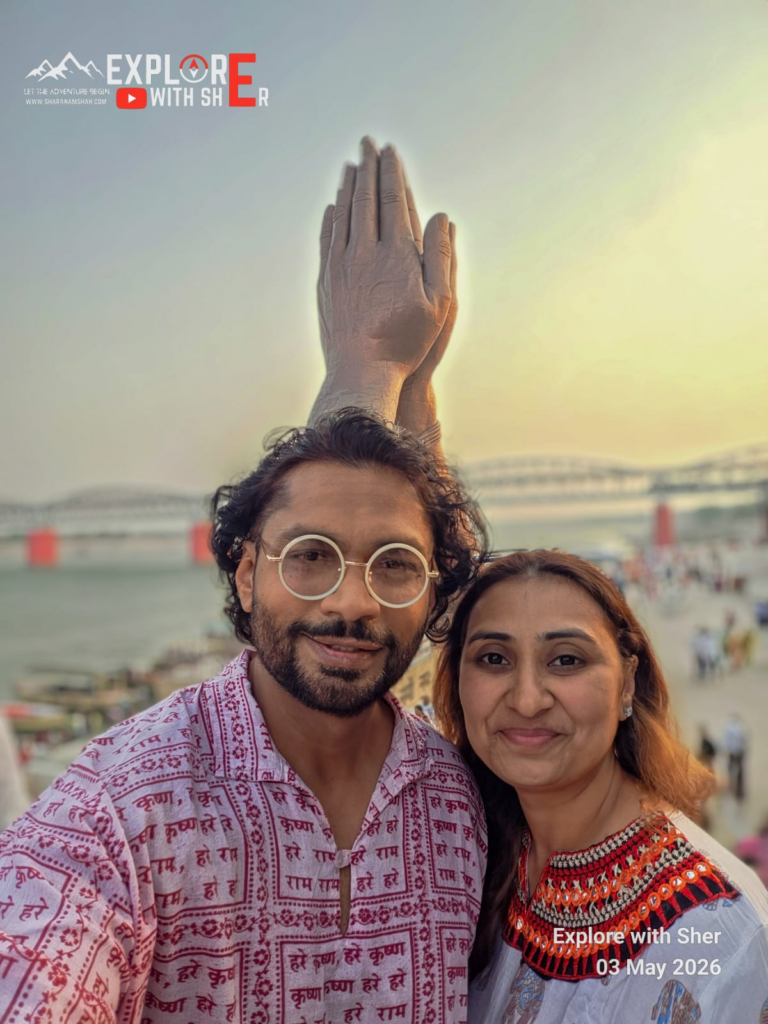
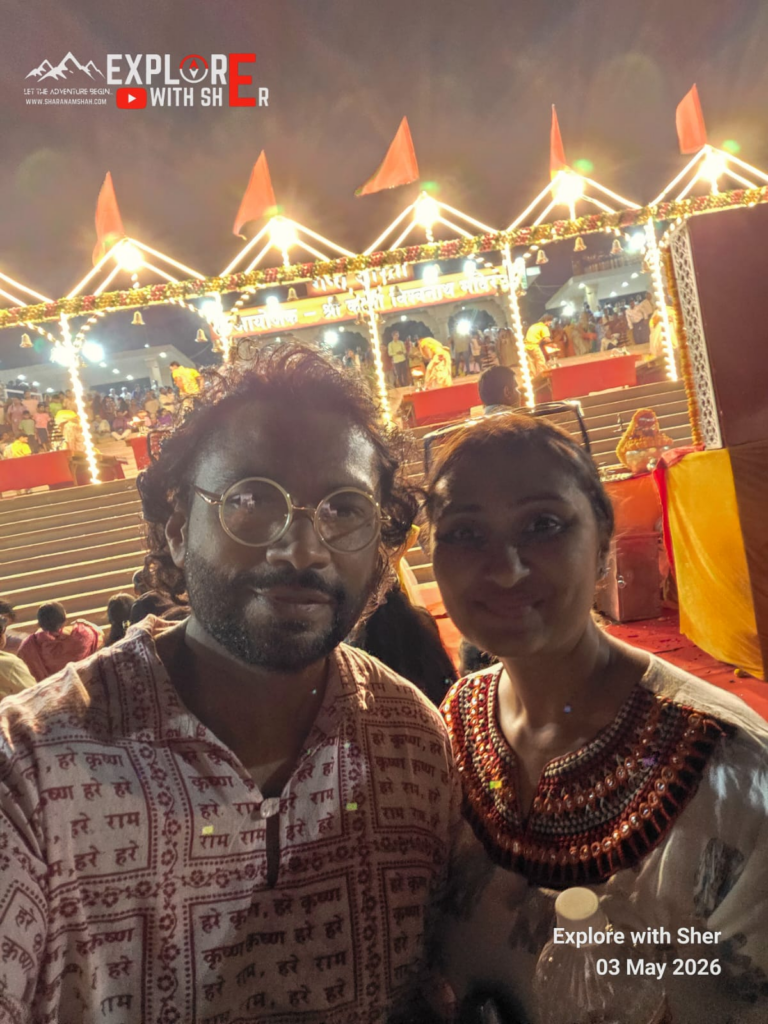
Sitting by the river, eating hot Maggi, and sipping authentic kulhad tea reset our energy completely. By 7:00 PM, we had secured front-row seats for the Ganga Aarti. Watching the synchronicity of the priests and the massive brass lamps for 45 minutes was an incredibly grounding experience. We finished the day with a peaceful dinner at 8:30 PM.
Day 4: The Brahma Muhurat and the Ghats of Kashi
May 4, 2026 | Varanasi Local Exploration States: Uttar Pradesh
Discipline pays off in Kashi.
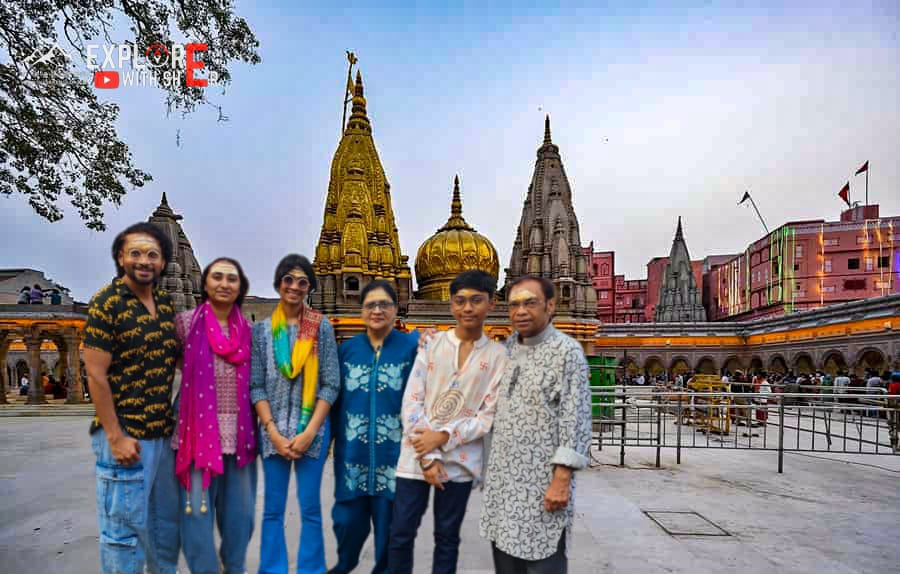
We left the hotel at 4:30 AM, reaching Gate No. 1 of the Kashi Vishwanath Temple just before it opened at 5:00 AM. We stepped into the temple premises during the sacred Brahma Muhurat, completing our darshan and a small puja in absolute peace. By 6:45 AM, we were back outside sipping morning tea.
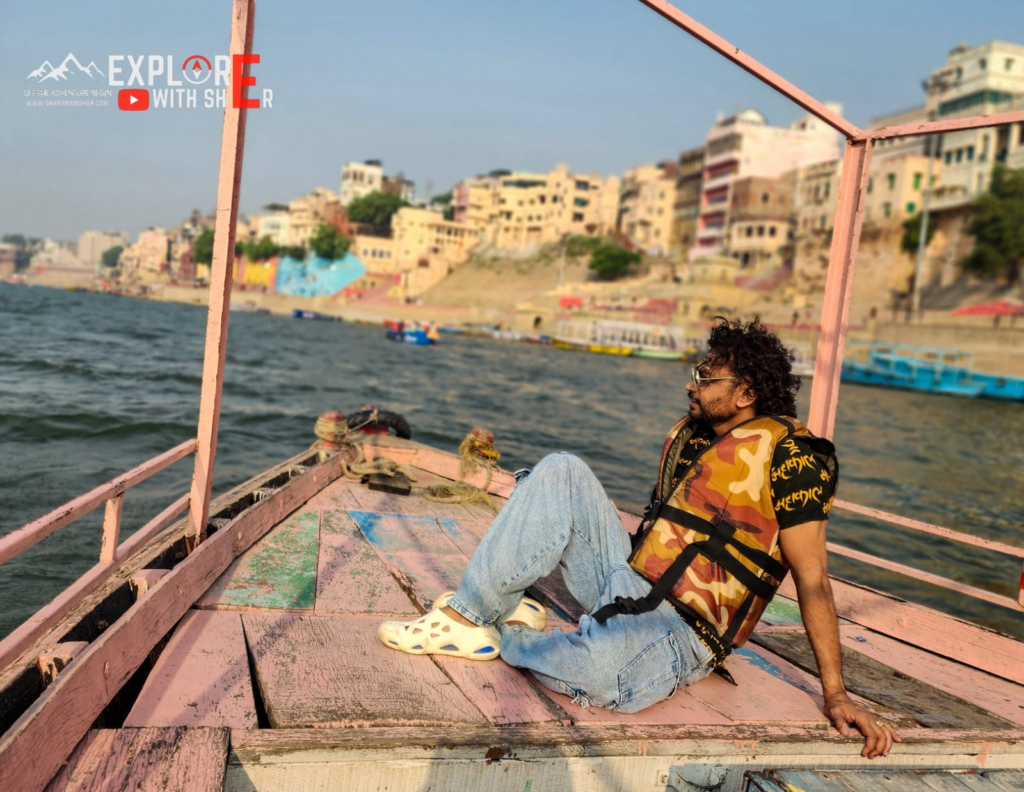
We hired a private boat (bargained down to ₹2,500) to cruise the 84 Assi ghats.
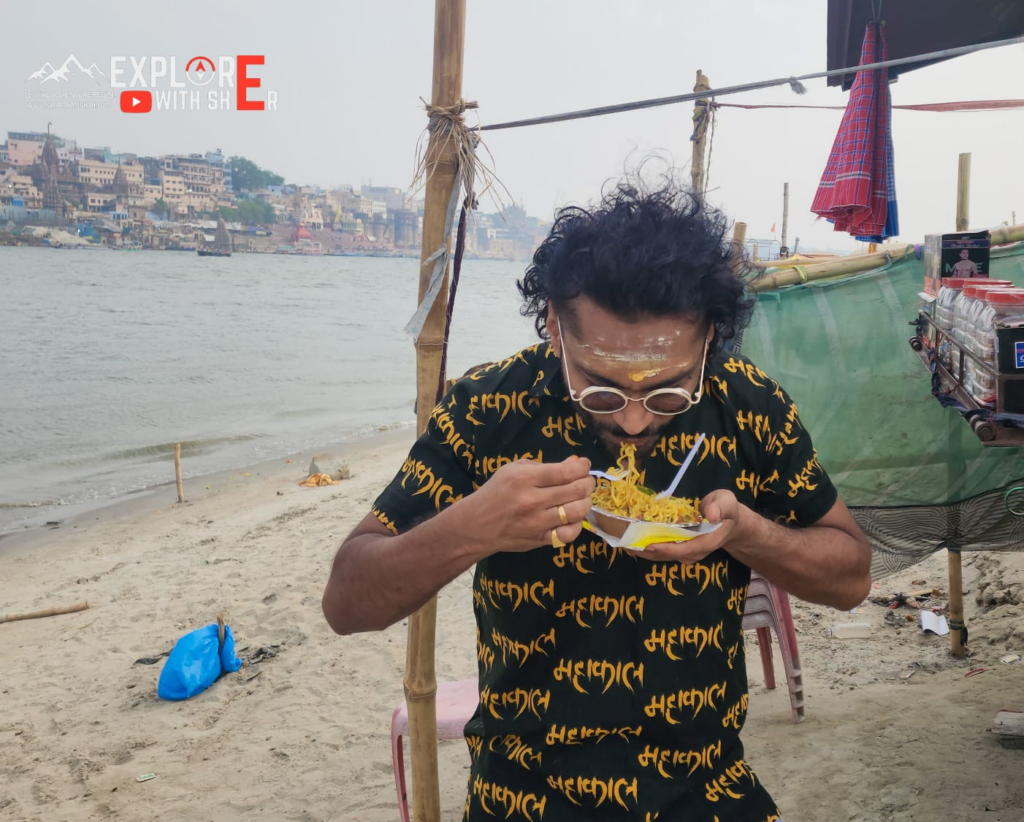
Eating Maggi in the middle of the holy river. Then later observing the profound cycle of life and death at Manikarnika Ghat is something that stays with you forever. We saw the famous tilted, half-submerged Mahadev temple and visited the Gauri Kedareshwar temple—a shrine that grants the exact spiritual merit of visiting Kedarnath in the Himalayas.
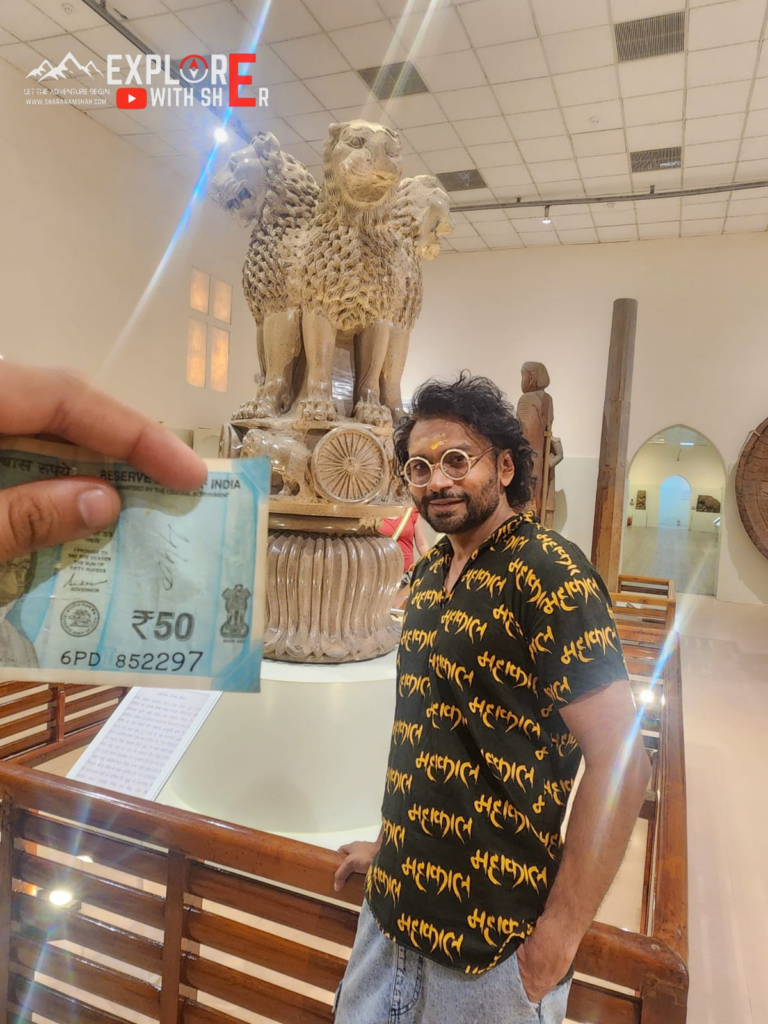
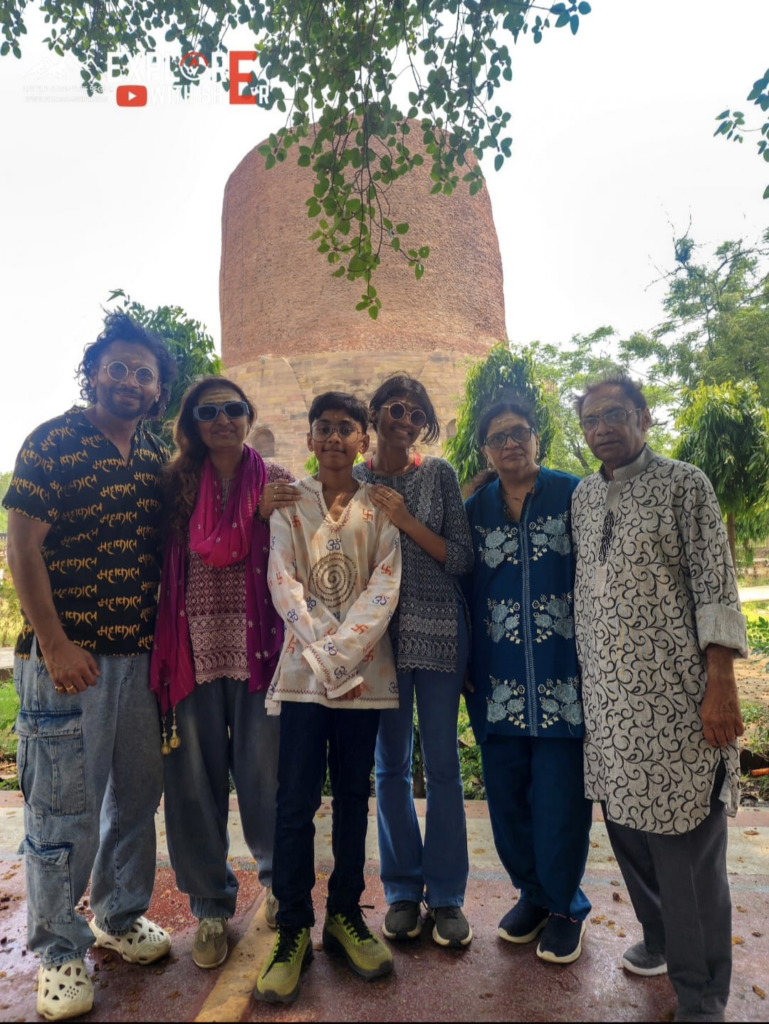
We finished boating by 11:00 AM, right as a massive storm rolled in and halted all river traffic. After a heavy breakfast of sabzi kachodi and jalebi, we explored Sarnath, witnessing the original Ashoka Pillar emblem in the museum, the Buddha stupa, the Digambar Jain temple, and the intricate weaving of Banarasi sarees.
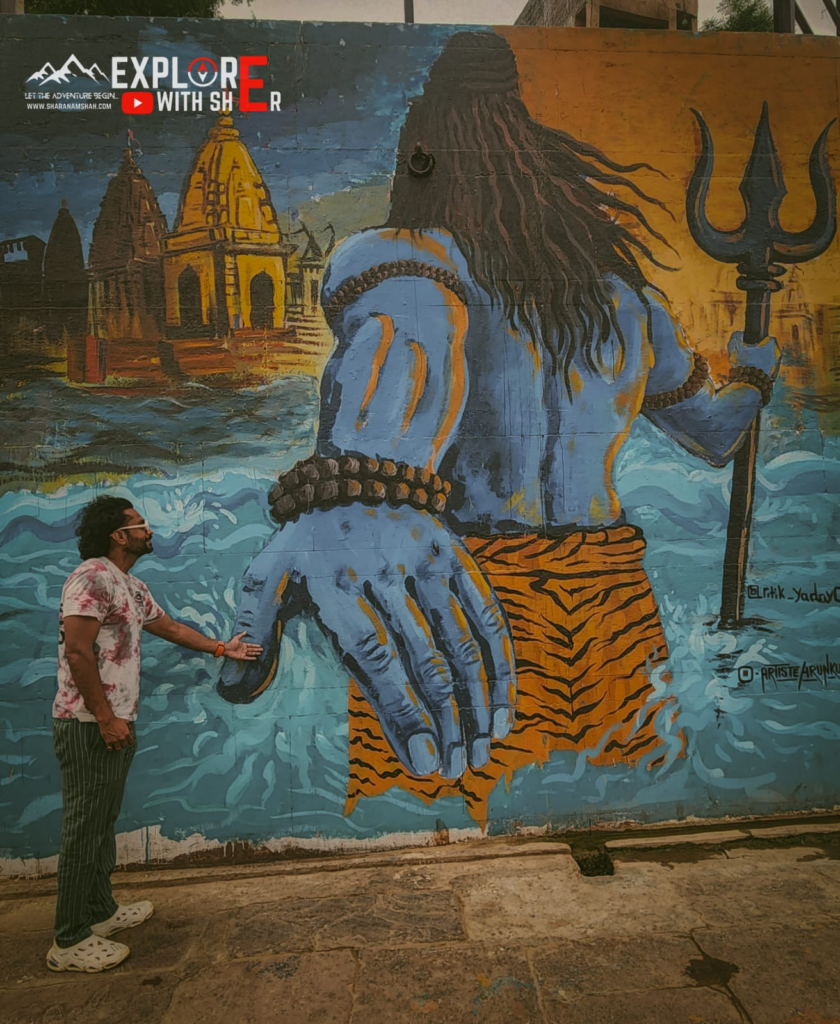
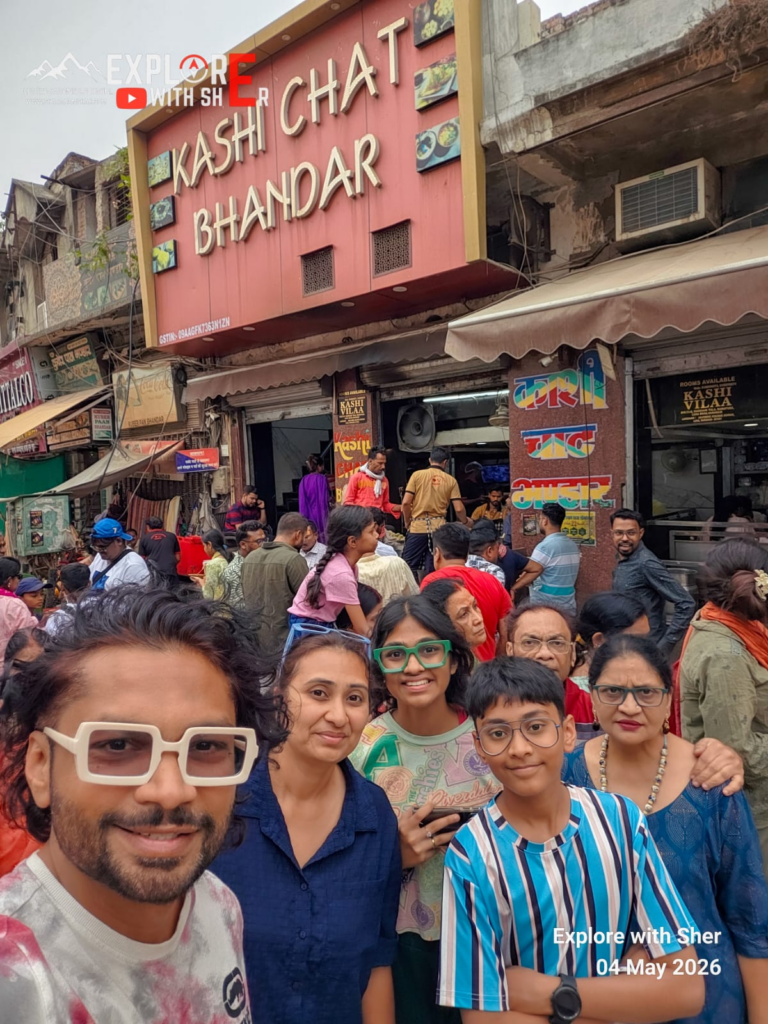
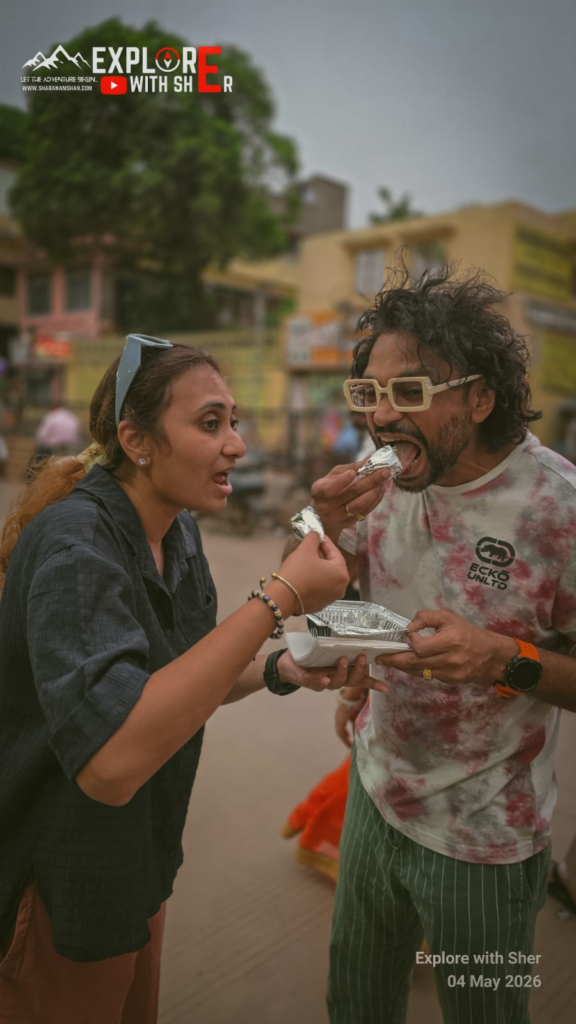
By 4:30 PM, we were back at Dashashwamedh Ghat just as another storm broke. We walked across Rajendra Prasad, Ganesh, and Meer Ghats, sitting for an hour to take photos before walking back to the market. We ended the night devouring famous Tamatar Chat and Mixed Chat at Kashi Chat Bhandar, followed by a classic Banarasi paan. We ate dinner on our hotel terrace, watching the lightning illuminate the oldest city in the world.
Day 5: The Parking Lot Chaos and the Final Jyotirlinga
May 5, 2026 | Varanasi to Deoghar Distance: 469 kms | Time: 9 hours 40 mins | States: UP to Bihar to Jharkhand
The day started with peak frustration. We were packed and standing in the hotel lobby at 4:30 AM, ready to conquer the highway. The problem? Someone had parked their car blocking our XUV700. It took an entire hour of hunting down the owner before we could hit the road at 5:30 AM.
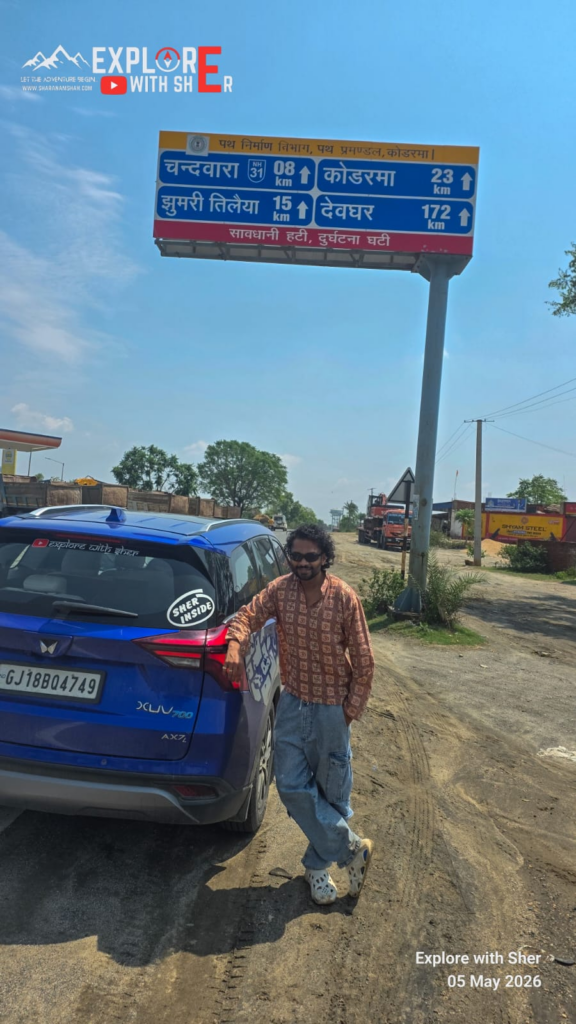
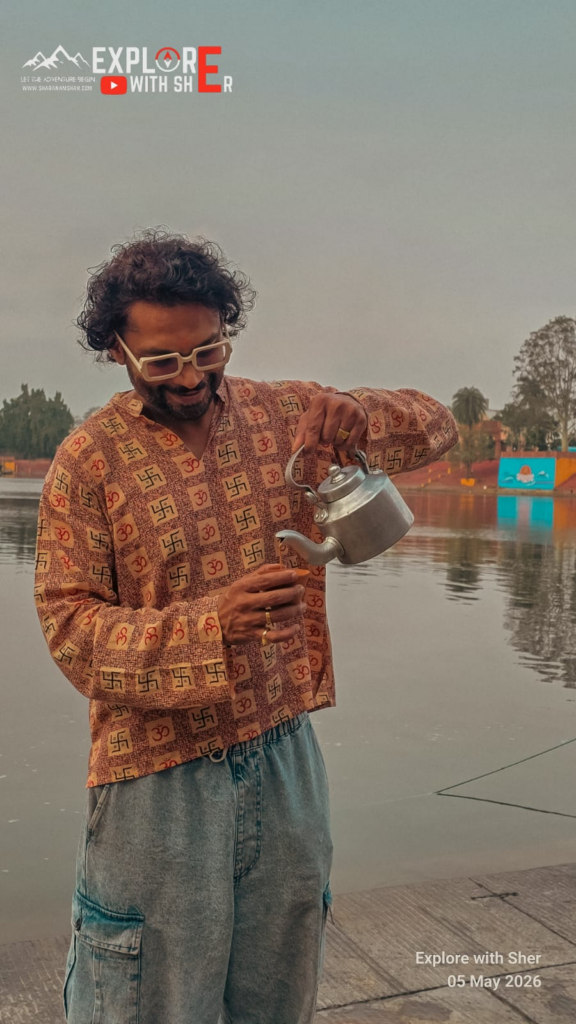
We drove out of UP, crossed Bihar, and rolled into Deoghar, Jharkhand, by 1:45 PM. After resting, we headed to the Baba Baidyanath Dham. We sat on the steps of the Shiv Ganga lake, sipping tea and letting the cool breeze wash away the driving fatigue. We paid our respects to Parvati Mata first, then joined the normal line for Mahadev.
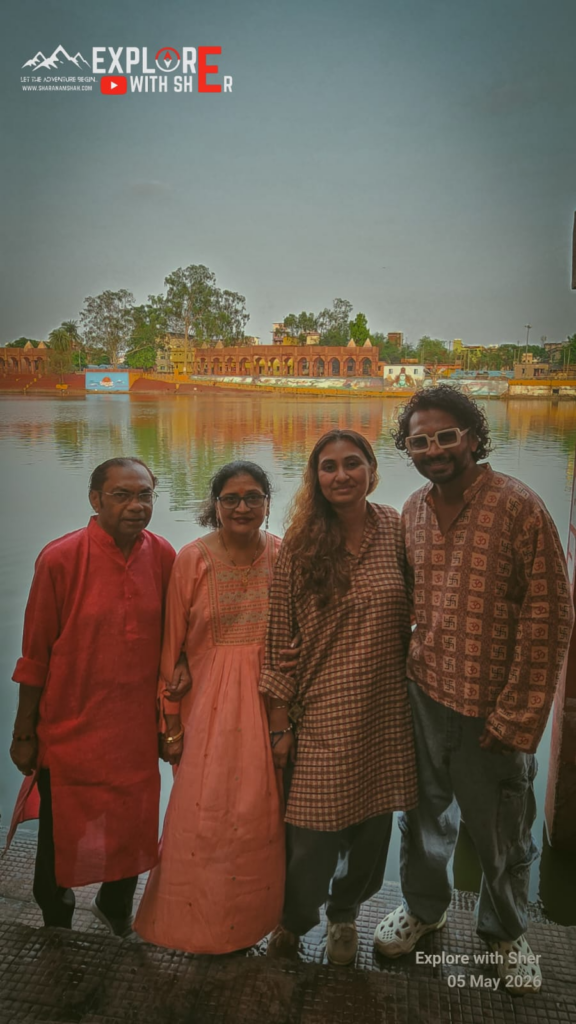
A crucial piece of advice for anyone visiting: completely ignore the local pandas offering VIP access. It is pure cheating. They simply merge you into the normal line later, often delaying you by two to three hours. We stuck to the standard queue and completed our darshan in 1.5 hours.
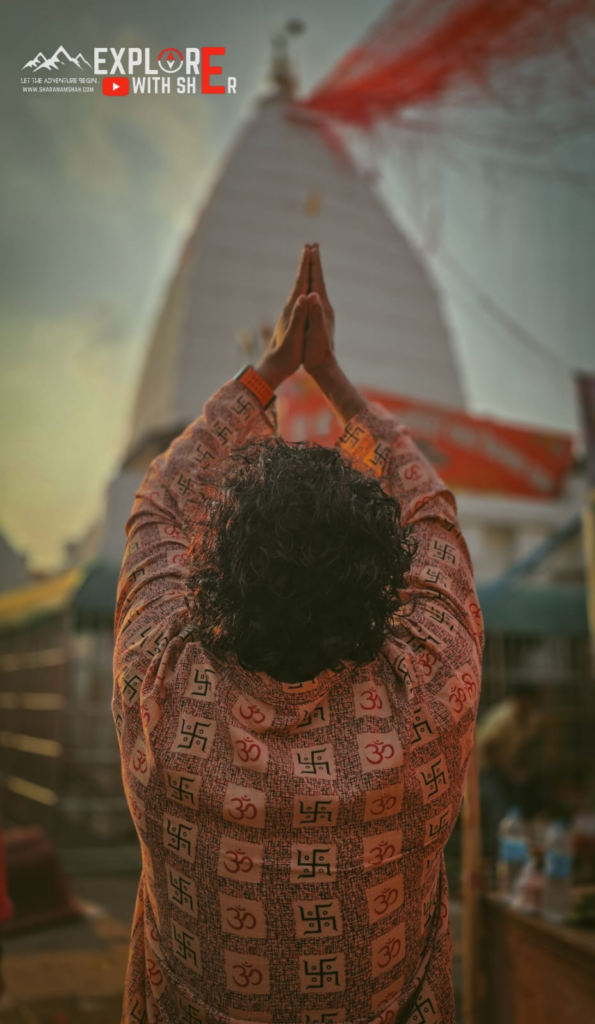
Stepping out of that temple meant we had done it. Our 12th and final Jyotirlinga was complete.
Day 6: Dodging Unrest and Crossing the Bengal Border
May 6, 2026 | Deoghar to Balasore Distance: 439 kms | Time: 10 hours | States: Jharkhand to West Bengal to Odisha
We left Deoghar at 4:30 AM. Our original itinerary had us halting in Kharagpur, but due to escalating political unrest, we made a strategic command decision to bypass a West Bengal night stay completely and push straight into Odisha.
We minimized our breaks as we crossed the border. The visual shift in West Bengal was immediate. The roads narrowed significantly, and the highways were dominated by bicycles, motorbikes, and older-generation transport trucks with hardly any cars. We drove steadily through the congestion until we hit Kharagpur, where the infrastructure instantly transformed. We merged onto the immaculate Chennai-Kolkata Highway, cruising comfortably into Balasore by 2:00 PM.
Day 7: The Sun Temple and the Ultimate Completion
May 7, 2026 | Balasore to Puri Distance: 283 kms | Time: 6 hours 30 mins | States: Odisha
This was the day we reached our final destination.
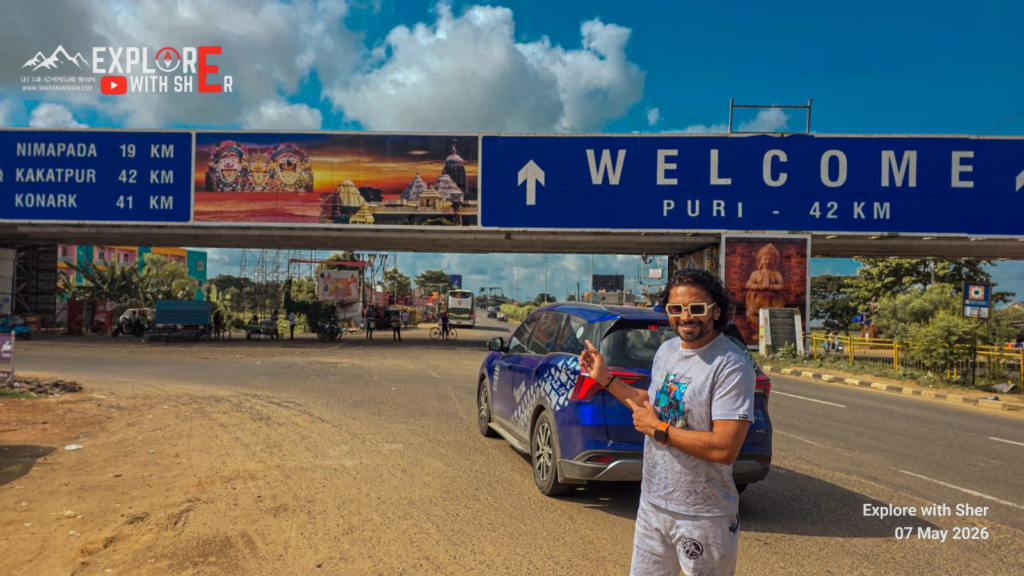
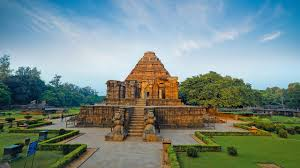
We started our approach at 5:30 AM. Before heading into Puri, we stopped at the magnificent Konark Sun Temple. We spent 30 minutes marveling at the ASI site, visiting the Navgraha temple on the premises, and refreshing ourselves with local lemon sodas.
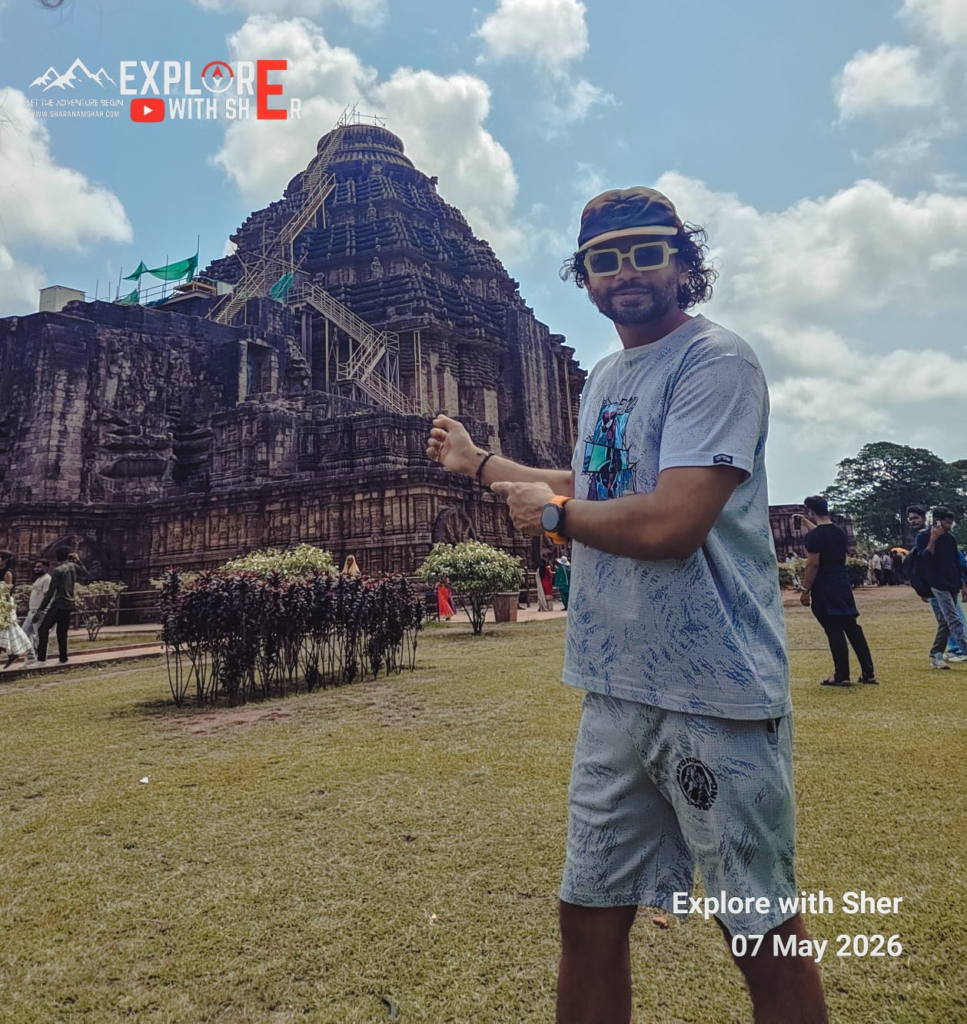
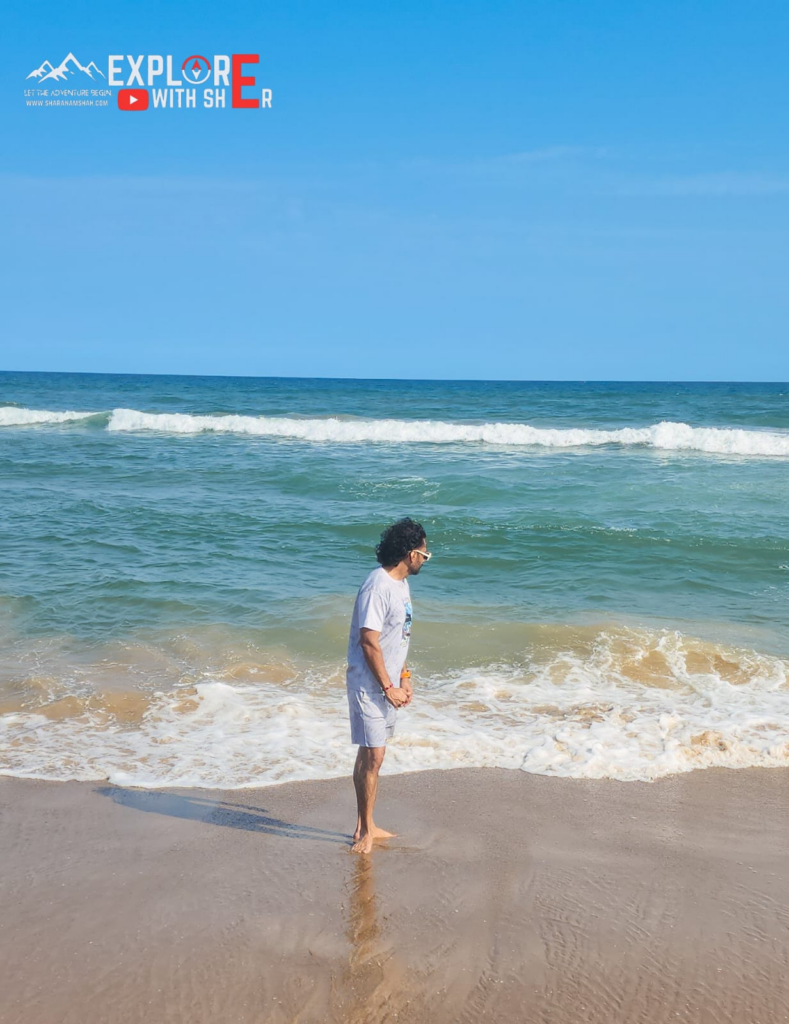
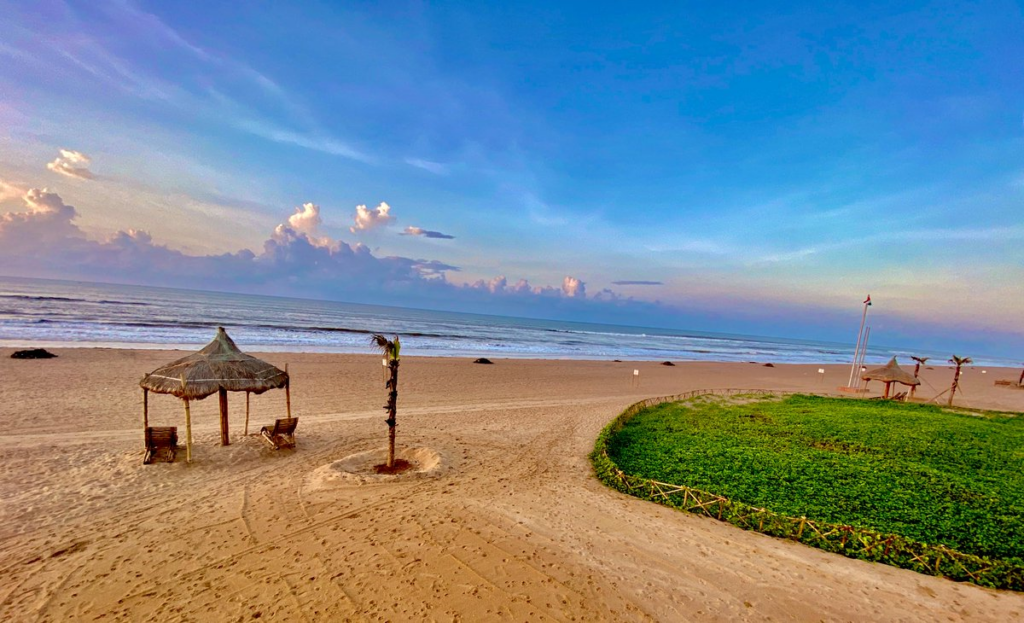
An hour later, we entered Puri. After days of intense highway driving, stepping onto the pristine Blue Flag beach to enjoy the cool water and breeze was pure therapy.
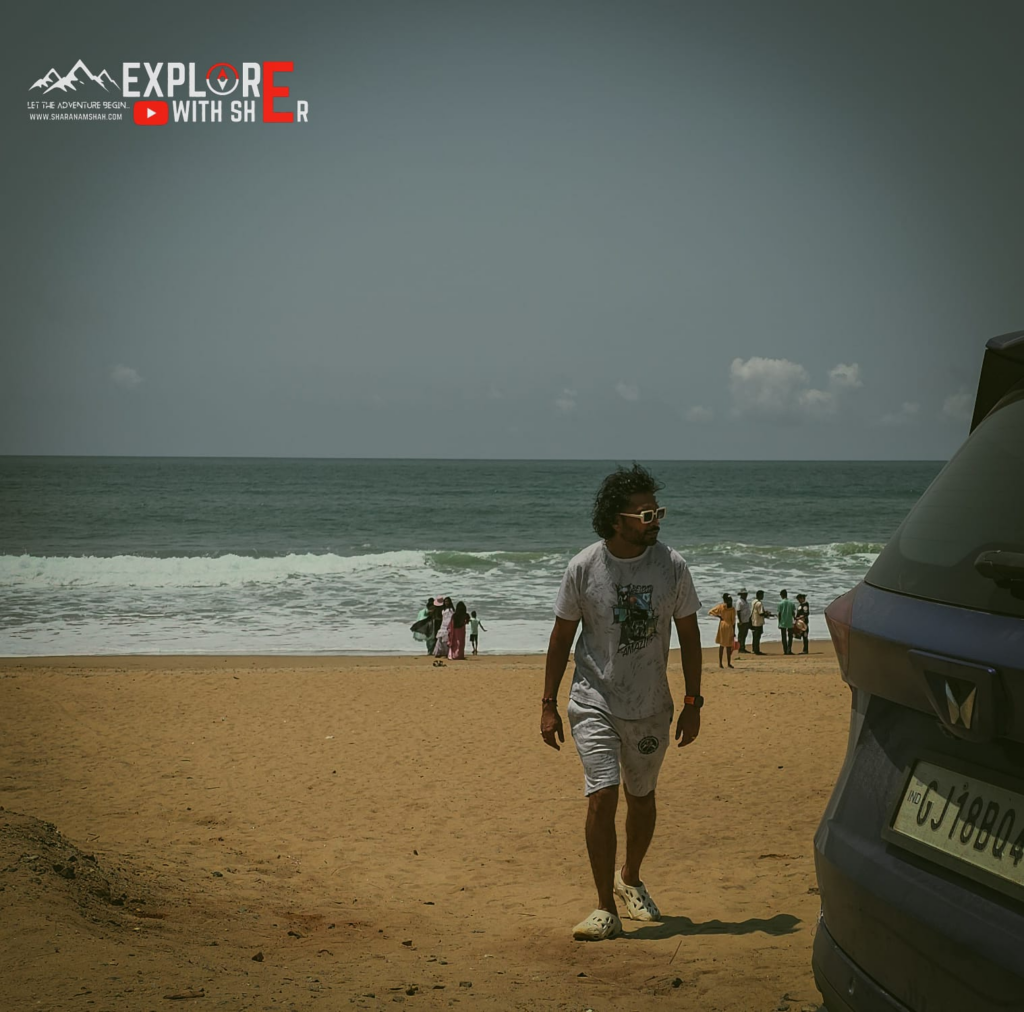
Following a light dinner, we walked to the Shree Jagannath Temple. The darshan took exactly 1.5 hours.
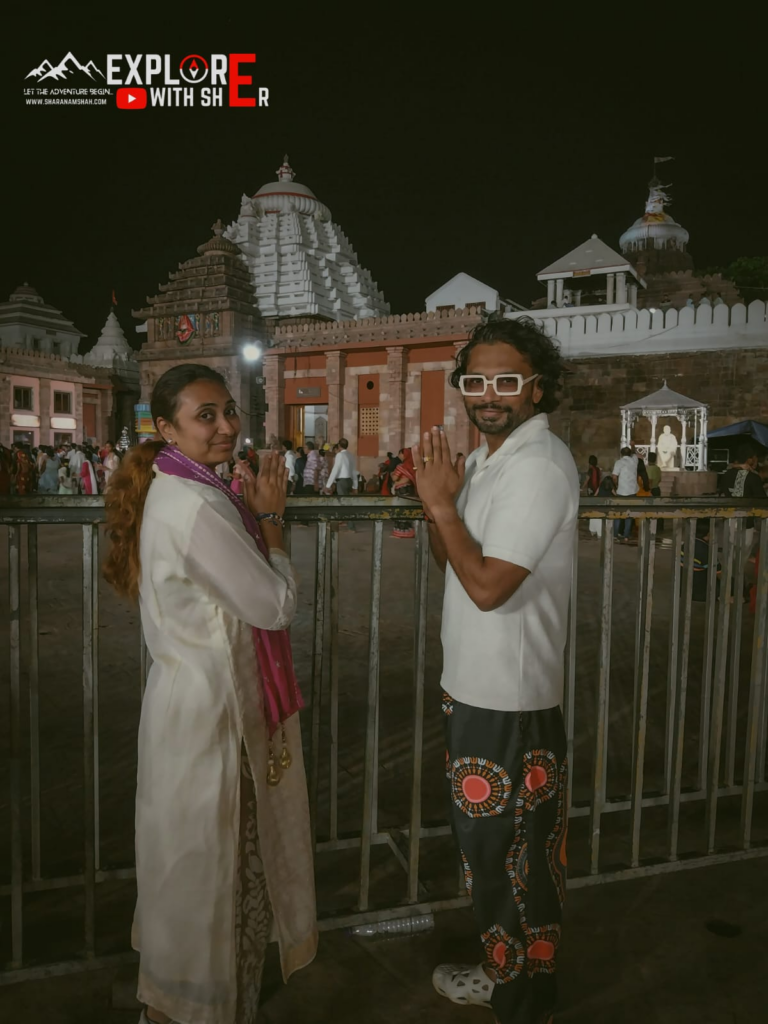
As we finished our local shopping and ate a second light dinner, we looked at each other with happy faces. We had just completed our 4th Char Dham. The grand mission was accomplished.
Days 8 & 9: The Long Haul Home
May 8-9, 2026 | Puri to Nagpur to Mumbai Distance: 1679 kms | Time: 13 hours (1st Day) + 10 hours (2nd Day) | States: Odisha, Chattisgarh, Maharashtra
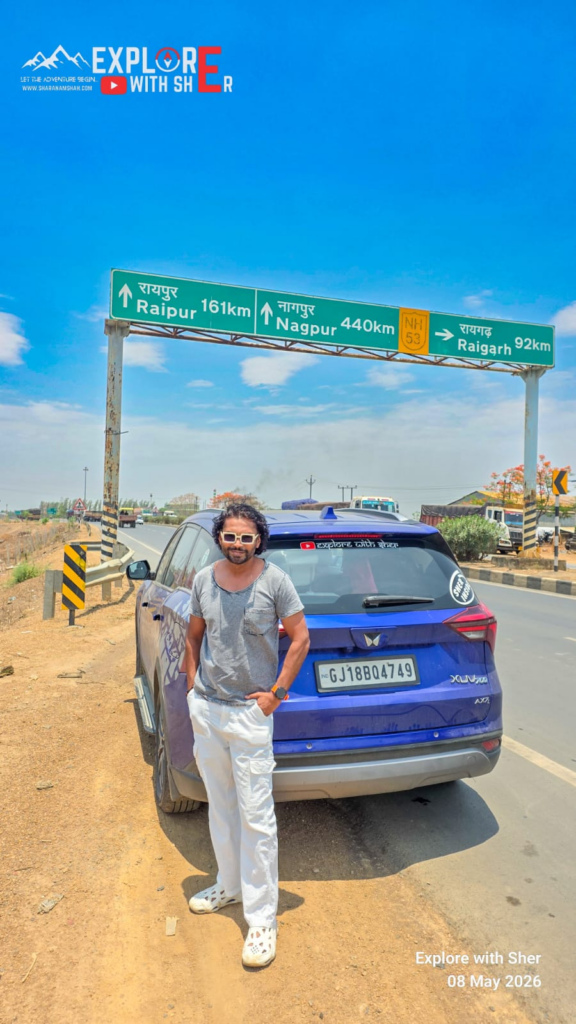
With our spiritual goals fulfilled, it was time to bring the XUV700 home. We departed Puri at 5:00 AM, executing a massive cross-country sprint. We hit Raipur by 2:00 PM and pulled into Nagpur by 7:00 PM for a much-needed hotel halt. The next morning, we fired up the engine one last time, driving the final leg back to Mumbai, returning to the very driveway where this 60,000-kilometer dream began.
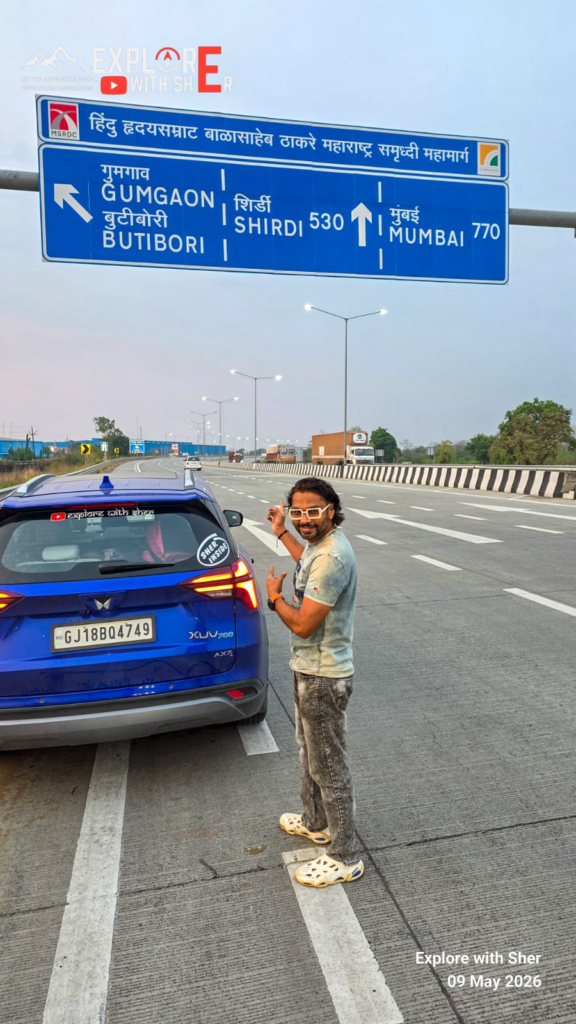
Trip Summary & Logistics Data
Executing a cross-country drive with three generations (Parents, Kids and Us) requires meticulous financial and operational planning. Here is the final breakdown of our core transit infrastructure:
- Total Distance Covered: ~4,800 Kilometers
- Total Fuel (Diesel): ₹35,734
- Accommodation: ₹31,637
- Tolls & Parking: ₹6,035
- Local Transit: ₹3,510
The FASTag Master Hack A massive logistical win for this trip was how we handled the tolls. Instead of letting the standard deductions bleed our wallet across eight states, I secured the official NHAI FASTag Annual Pass for exactly ₹3,075.
- Why use it? When executing a 4,800-kilometer drive, the sheer volume of NHAI toll plazas will rapidly drain your balance, and calculating individual state-by-state toll costs becomes a nightmare. By purchasing this pass, you get 200 free toll transactions on National Highways valid for one entire year. It links seamlessly to your existing FASTag account with zero setup needed. Every time we crossed a standard NHAI plaza, the barrier simply opened, and the toll was absorbed by the pass.
- How to get it: You must obtain this directly from the official RajmargYatra portal (rajmargyatra.nhai.gov.in/annual-pass). Navigate to the site and locate the Check Eligibility section. You simply enter your Vehicle Registration Number (VRN) and upload an image of your car. Once the system verifies eligibility, you click Complete Payment to pay the ₹3075 securely. The pass activates automatically.
- The Exception: Because the pass strictly covers the NHAI network, state-controlled access expressways operate separately. Therefore, the only actual cash deductions drawn directly from my FASTag wallet balance were for the Samruddhi Mahamarg (the MSRDC-controlled expressway in Maharashtra), which accounted for roughly ₹2,960 for the round trip. Everything else was perfectly insulated by the pass.
Explore the Cultural and Historical Landmarks
While the Jyotirlingas and Char Dhams anchored our journey, the spaces in between hold their own profound historical and cultural weight. Here is a deeper look into the specific local landmarks, ghats, and streets we explored along the way, and why they are essential to the Indian experience.
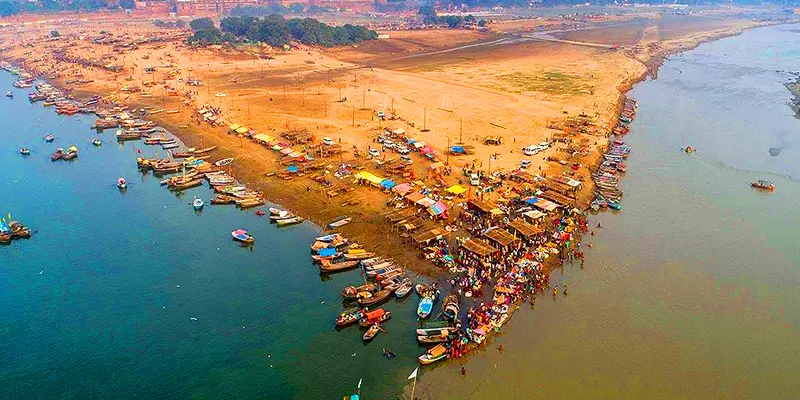
Triveni Sangam (Prayagraj)
This is the most sacred confluence in India, where the physical waters of the Ganga and Yamuna meet the invisible, mythical Saraswati River. Taking a boat ride to the exact meeting point and performing a puja here is believed to wash away the sins of a lifetime and release the soul from the cycle of rebirth.
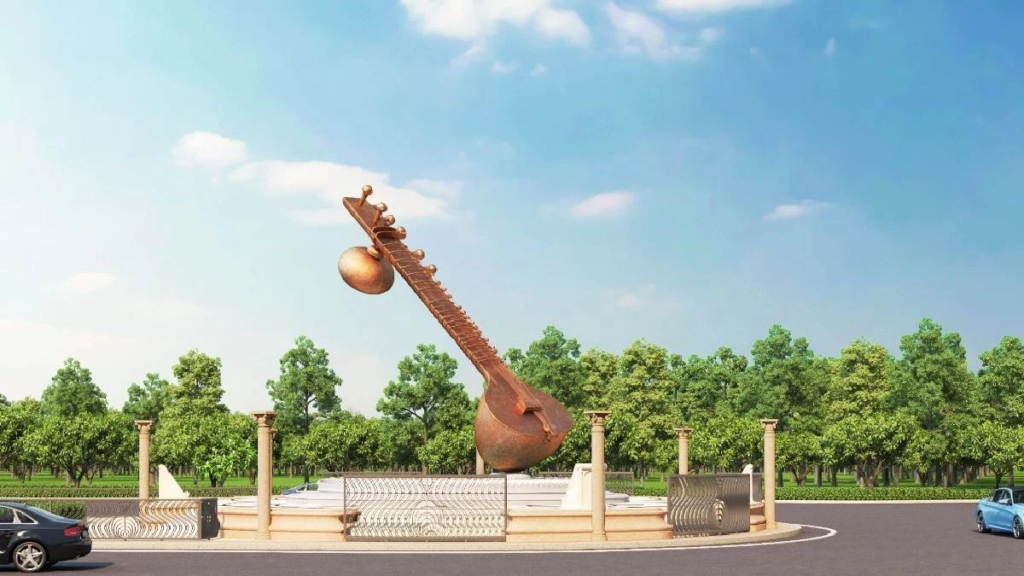
Lata Mangeshkar Chowk (Ayodhya)
A beautifully developed intersection near the Saryu River, dedicated to the legendary singer Lata Mangeshkar. Its centerpiece is a massive, incredibly detailed 40-foot-long Veena (a classical Indian string instrument). It serves as a peaceful, cultural focal point to pause and appreciate art before entering the dense temple lanes.
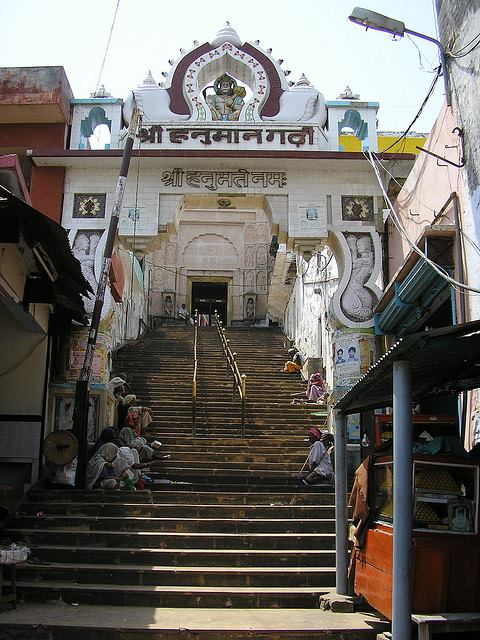
Hanuman Garhi (Ayodhya)
Located in the heart of Ayodhya, this 10th-century temple requires climbing 76 steps to reach the main complex. According to tradition, Lord Hanuman is the protector of Ayodhya. You must visit this shrine and seek his permission before proceeding to the Ram Janmabhoomi. Visiting on a Saturday, Lord Hanuman’s dedicated day, brings immensely powerful blessings.
Namo Ghat (Varanasi)
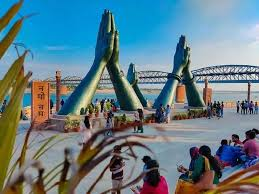
Varanasi’s newest and most modern ghat, instantly recognizable by its towering sculpture of folded hands (Namaste). Unlike the older, more congested ghats, Namo Ghat offers wide, clean promenades, making it the perfect place to sit back, sip a traditional kulhad tea, eat Maggi, and watch the river traffic without the usual chaos of the city.
Manikarnika Ghat (Varanasi)
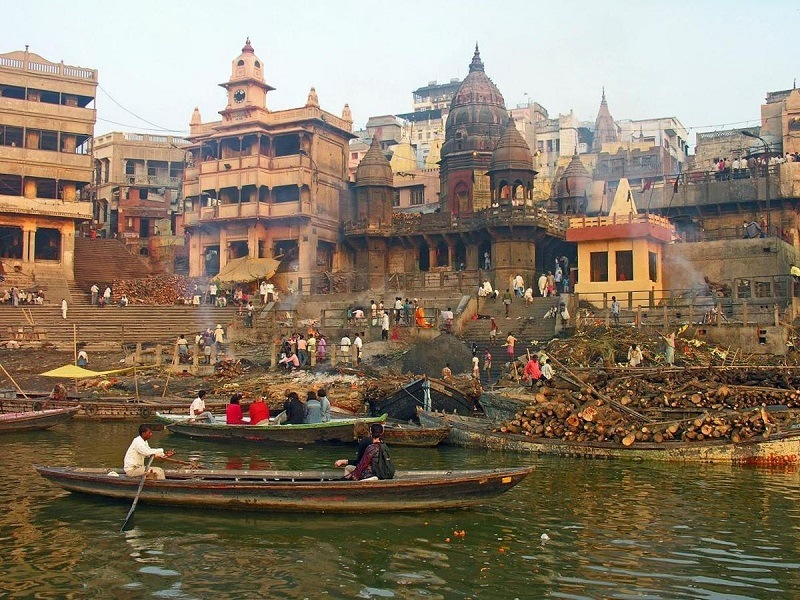
The primary cremation ghat of Kashi. It is a stark, profound place where funeral pyres burn 24 hours a day, 365 days a year. Witnessing the constant cycle of bodies arriving here is a powerful, grounding experience. In Hindu belief, being cremated at Manikarnika grants instant Moksha (liberation), bypassing the gates of Yama entirely.
Ratneshwar Mahadev (Varanasi)
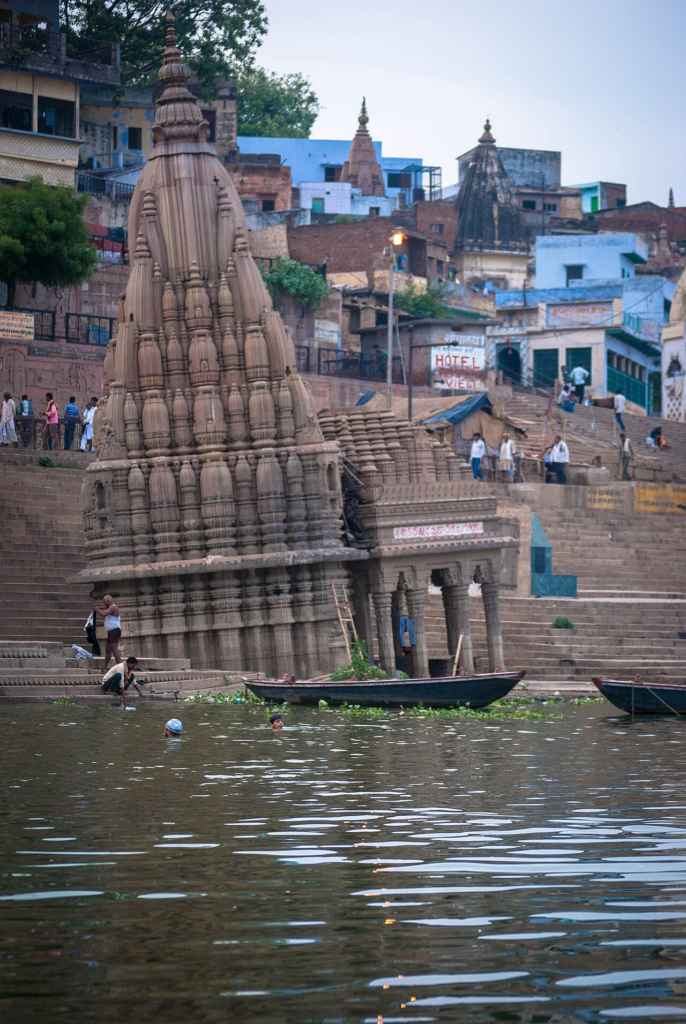
Often called the “Tilted Temple,” this heavily leaning shrine sits right on the water’s edge at Manikarnika Ghat. It leans at a significantly sharper angle than the Leaning Tower of Pisa and remains partially submerged in the Ganga for most of the year. Local legends say it tilted due to a mother’s curse after her son boastfully claimed he had repaid his maternal debt by building it.
Gauri Kedareshwar Temple (Varanasi)
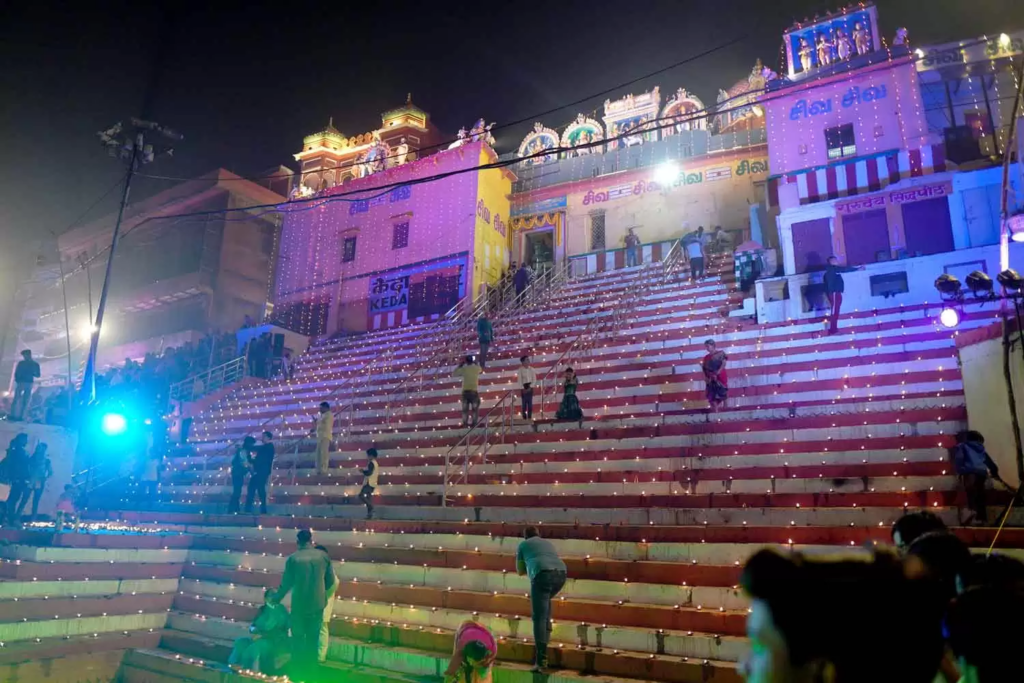
Situated on Kedar Ghat, this is one of the most powerful Shiva temples in the city. The linga here is believed to have emerged naturally. For pilgrims who cannot endure the brutal, freezing trek to the Kedarnath Jyotirlinga in the high Himalayas, performing a darshan at Gauri Kedareshwar grants the exact same spiritual merit.
Sarnath Archaeological Site (Uttar Pradesh)
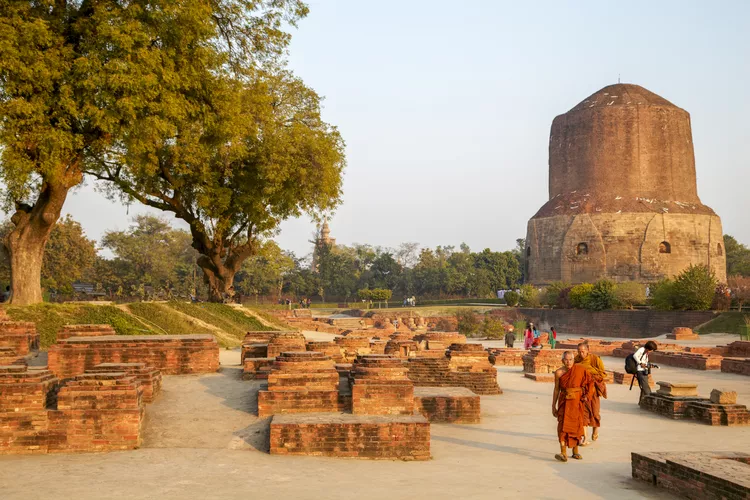
Located just outside Varanasi, this is the exact deer park where Lord Buddha delivered his first sermon after attaining enlightenment. The site contains the massive Dhamek Stupa and the original Ashoka Pillar—the Lion Capital of which serves as the official national emblem of India (seen on all currency notes). The complex also houses a highly revered Digambar Jain Temple, marking the birthplace of the 11th Tirthankara.
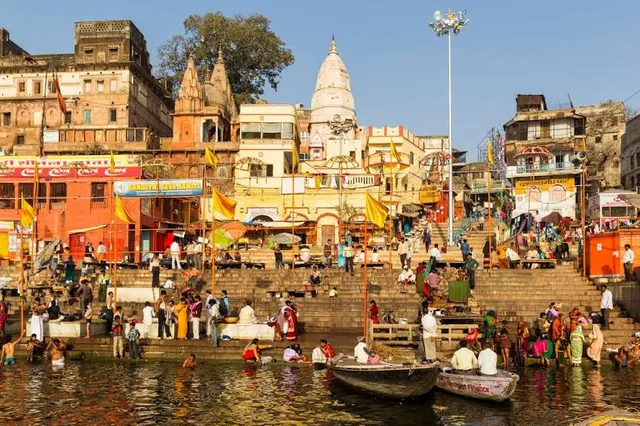
Dashashwamedh, Rajendra Prasad, Ganesh, and Meer Ghats (Varanasi)
Dashashwamedh is the main, most spectacular ghat in Varanasi, famous for hosting the grand, choreographed evening Ganga Aarti. The adjoining ghats—Rajendra Prasad, Ganesh, and Meer Ghats—offer a continuous, unbroken stretch of stone steps along the riverbank. Walking continuously across these interconnected ghats provides a front-row seat to the daily life, rituals, and profound spiritual energy of Kashi.
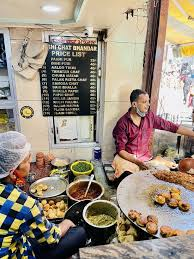
Kashi Chat Bhandar (Varanasi)
A legendary culinary institution located near the main Dashashwamedh market area. You cannot leave Kashi without eating here. It is universally famous for its Tamatar Chat—a tangy, spicy, and sweet tomato-based delicacy served piping hot in small earthen bowls (kulhads). It represents the absolute pinnacle of Banarasi street food.
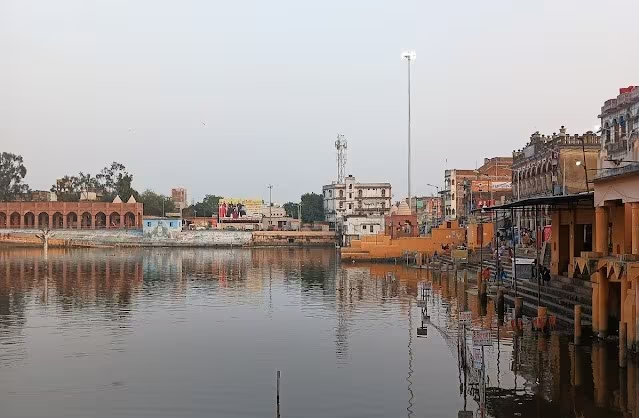
Shiv Ganga Lake (Deoghar)
A massive, sacred water reservoir situated just a few hundred meters from the Baba Baidyanath Jyotirlinga. Historically, pilgrims would bathe in these waters to purify themselves before entering the main temple complex to offer water to Lord Shiva. Today, its surrounding steps provide a serene resting spot to recover from highway fatigue before joining the temple queues.
Konark Sun Temple (Odisha)
A 13th-century UNESCO World Heritage site built in the shape of a colossal, stone-carved chariot with 24 massive wheels, drawn by seven horses. It was dedicated to Surya, the Sun God. The architectural precision is staggering; the wheels act as exact sundials that can calculate time down to the minute based on the sun’s shadow.
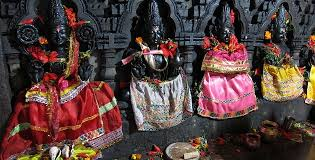
Navgraha Temple (Konark)
Located just outside the main Sun Temple exit, this small but highly significant shrine houses the nine planetary deities (Navgrahas) of Hindu astrology. They are carved intricately from a single, massive block of chlorite stone. Worshipping here pacifies planetary defects in one’s astrological chart.
The Blue Flag Beach (Puri)
Unlike standard, heavily littered public beaches, Puri’s Blue Flag Beach is an internationally certified eco-tourism stretch. It requires an entry fee but rewards visitors with immaculately clean sands, highly purified bathing water, solid waste management, and dedicated safety personnel. It is the perfect, hygienic environment for a family to relax after days of intense road travel.
Three years, six months, and seventeen days of relentless passion. We drove fueled by faith, and we returned guided by grace.
May Lord Shiva and Lord Vishnu bless this journey, and may this inspire you to take the wheel and drive toward your own impossible dreams.
Har Har Mahadev! Jai Jagannath! 🙏✨
— Sharanam Shah